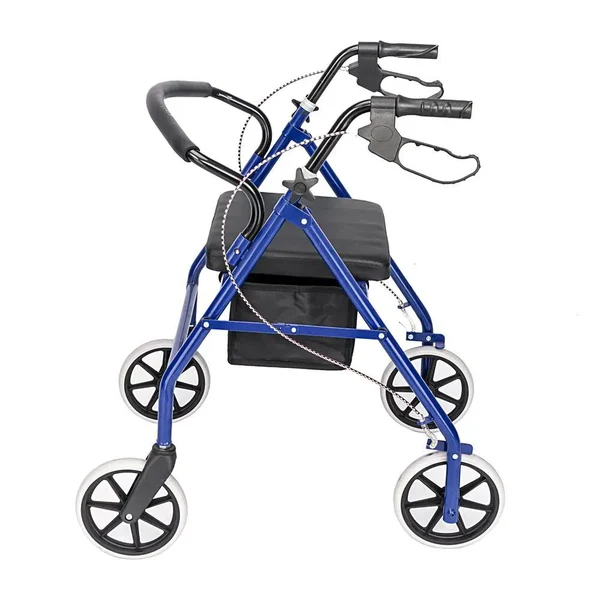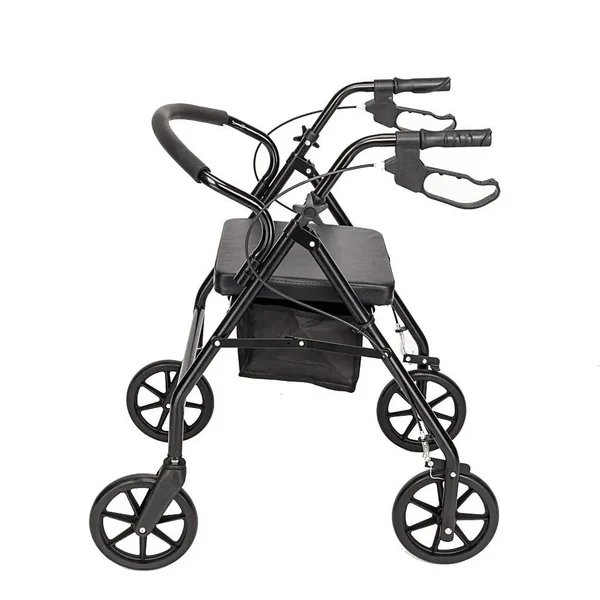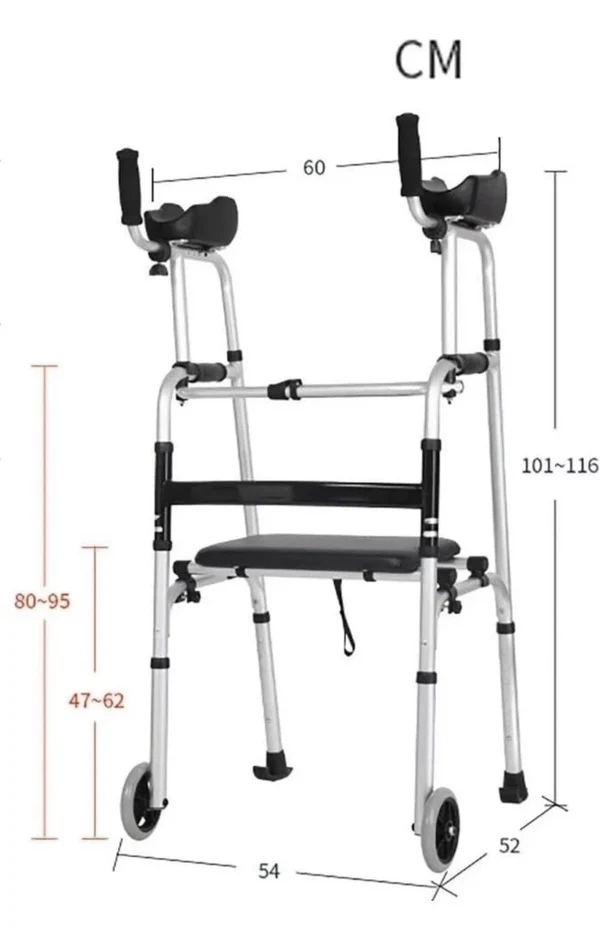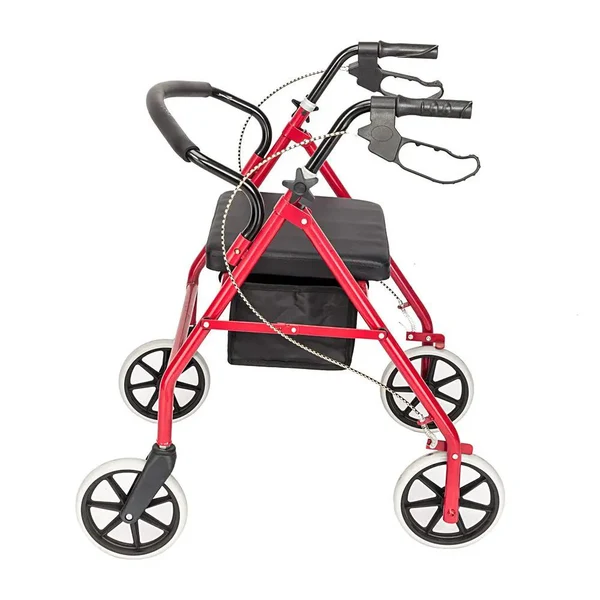
Walking Frames

A closer look at walking frames: what sets one option apart from another and what to check before deciding. Material affects weight, feel and care, so choose one that suits how often it will be used. If you are replacing an old one, its measurements give you a ready-made starting point.

Other types to compare

Each one opens a related type, so you can compare across the family before you settle.

Rollator Walkers

Walking Sticks

How to choose

  • Compare makers on the same details: Three ARROWS.
  • Consider the weight, since it affects how comfortable it is in use.
  • Compare two or three close options side by side on the same points.
  • Think about how often it will be used, and favour simple, sturdy construction for daily use.
  • If it must work with something you already own, check that the two fit together.

Frequently asked questions

What is the difference between a rollator and a non-wheeled walking frame?

A rollator has wheels, hand brakes, and usually a built-in resting seat, whereas a non-wheeled walking frame is lifted forward step by step.

When is a folding frame preferable for a walker or mobility scooter?

Folding frames suit households with limited hallway storage or users who frequently travel by car or public transport.

How heavy should walking frames be?

The right weight for walking frames depends on use: lighter suits frequent handling, while heavier can feel steadier; check the stated weight where it is given.

Should I buy one or a set of walking frames?

A matching set of walking frames keeps everything consistent, while single items let you mix and replace one at a time.